Best Ear Training App For Mac
- Best Ear Training App For Android
- Best Ear Training App For Mac Windows 10
- Best Ear Training App For Mac Pro
Earlier in the year, I reviewed InTune and Quiztones ear training apps for iOS and mentioned there was a lot of room for development in this area of music theory. Flash forward to December 2013 and this year has certainly become the year of ear training apps, with releases from a variety of developers and more on the way. Two recent releases, goodEar Pro ($3.99) and EarBeater ($ 7.99), have caught my attention and have similar features prompting this comparative review. Both Apps are useful tools for the private music studio or for self-study. In this review, I have provided many screenshots so you can get a clear idea how the information is presented in each App.
- Choose your training sound. Choose your training sound from six different instruments. Better Ears comes with Acoustic Grand piano, Bright Acoustic Piano, Electric Grand Piano, Drawbar Organ, Nylon Acoustic Guitar and Steel Acoustic Guitar. On the Mac you have more than 100 instruments with Apples native DLS SoftSynth available.
- Nov 16, 2016 Try out Earmaster on the iPad today, it's free! -Read me- Blown away by the content and interface, so much thought and time has been put into this app, check it out! Although I was asked to review.
- Listening is the most important skill in music, and this app will help you to listen better. Ear Trainer is an educational tool designed for musicians, music students and anyone interested in improving ones musical ear. It has over 260 individual exercises that are conveniently placed into nine di.
- How you can use it: perfect for learning songs by ear or for transcribing. This is an excellent app for any teacher or student to implement into practice routines. It allows users to manipulate the tempo and pitch independently of one another. This app won ‘Best Mac Music App of 2013’ – so you know it must be something special!
Download Quiztones: Ear Training for EQ for macOS 10.11.0 or later and enjoy it on your Mac. Train your ears to recognize boosts and cuts in frequency and take your mixes, recordings and productions to the next level with Quiztones EQ ear training for audio engineers, producers and musicians. Perfect ear 2 seems to be the highest rated app on google play. I found it mostly useful HOWEVER there are some fairly serious flaws ie. Pitches being sounded an octave lower than they are notated on the screen, chords being spelled bizarrely, and the worst of all was that it didn't recognise enharmonic chords as being the same! Quiztones is an EQ ear training app for audio engineers, producers and musicians that uses tones, noise and frequency-altered music loops (including songs from your own music library) to help you train your ears and develop more acute listening and frequency recognition skills so you can mix, record and produce like a pro.
GoodEar Pro
Figure 1 – goodEar Pro Logo
goodEar Pro is my current go-to App for drilling my students. It is so easy to use and very customizable. I've found this App useful for beginning students just starting to learn intervals, for example. I guide them through the appropriate steps to select the intervals or chords they are ready to drill after they understand the construction of them. I've also challenged myself using goodEar to drill melodic interval series, complex chords and scales. The App goes deep into various jazz chords and uncommon scales. For someone who is very dedicated to ear training, there is a lot to drill and master here.
goodEar Pro has four main sections: Intervals, Chords, Scales and Melodic Intervals. In each of these categories, there is a selection menu for users to choose which content to drill within them. Let's look at some screenshots as well as interface detail to understand the layout better. I love the simple layout of goodEar Pro and that the sections are color-coded.
Intervals
All the intervals are available to drill in this section. You can choose up to eight different intervals to drill at a time. If you choose more, the extra ones will swap in and out between drills. For Intervals and Chord sections, you can choose if you want to hear the notes played harmonically, ascending, descending, or try your luck at random.
Figure 2 – Drilling Intervals in goodEar Pro
Figure 3 – Choosing Interval Combinations in goodEar Pro
Chords
Triads, Four-Tone Chords (like 7ths) and Extended Chords (9th, 13th, etc) are included in the chord section. All categories allow you to choose the answer in the list, or use the on-screen keyboard to plunk out the notes by ear.
Figure 4 – Drilling Chords in goodEar Pro
Figure 5 – Choosing Chord Combinations in goodEar Pro
Scales
The tempo slider comes in handy when drilling Scales and Melodic Intervals especially. There are many variations and jumps to listen for in both those categories that can be challenging, but a solid foundation in interval training will make this much easier.
How to download an app. You can now browse your directories with similar Safari-like prowess. Pros:Free: Mac OS updates are typically a paid upgrade, but Apple has finally embraced the free distribution model, including a bunch of new app updates to boot.Tabs and Tags: As users are now naturally used to browsing and managing the Web with tabbed interfaces, one is left to wonder why first-party developers never incorporated this into the native OS sooner.
Figure 6 – Drilling Scales in goodEar Pro
Figure 7 – Choosing Scale Combinations in goodEar Pro
Melodic Intervals
The Melodic Intervals section allows for maximum customization. Choose up to 11 notes in a row, with or without a backing chord, difficulty level and the interval jumps that will be included in the melodic line. For brave souls with next to perfect pitch, try non-diatonic.
Figure 8 – Melodic transcription training in goodEar Pro
Figure 9 – Choosing melodic interval recognition details in goodEar Pro
EarBeater
Figure 10 – EarBeater Logo
Hot on the heels of goodEar Pro is EarBeater, an ear training app with similar content offerings and its own unique presentation and design. EarBeater has a much more step by step approach complete with definitions and descriptions of the theory concepts in the selected lesson. This main difference between the two Apps makes EarBeater more accessible to music theory beginners. It's very important that the student understand what he or she is hearing. Also, there are many lessons within each category (over 200 in all!) carefully constructed so users can master small chunks at a time. goodEar Pro does allow this type of study, but it is up to the student to choose the content and quantity drilled at any one time. Experienced musicians would not find this a challenge, but I think beginners need more guidance as they learn the language of music. With that said, there is plenty for experienced musicians to dig into as well.
EarBeater has five main categories: Identify interval sizes, Identify intervals, Identify Chords, Identify Chord inversions and Identify Scales.
Identify Interval Size
Before you even get to Identifying intervals, you first compare two different note combinations, deciding which one is bigger. EarBeater starts with the obvious difference between two unison notes and an octave and then begins to shorten the difference between the two examples through subsequent exercises. This is welcome preparation step to drilling the intervals.
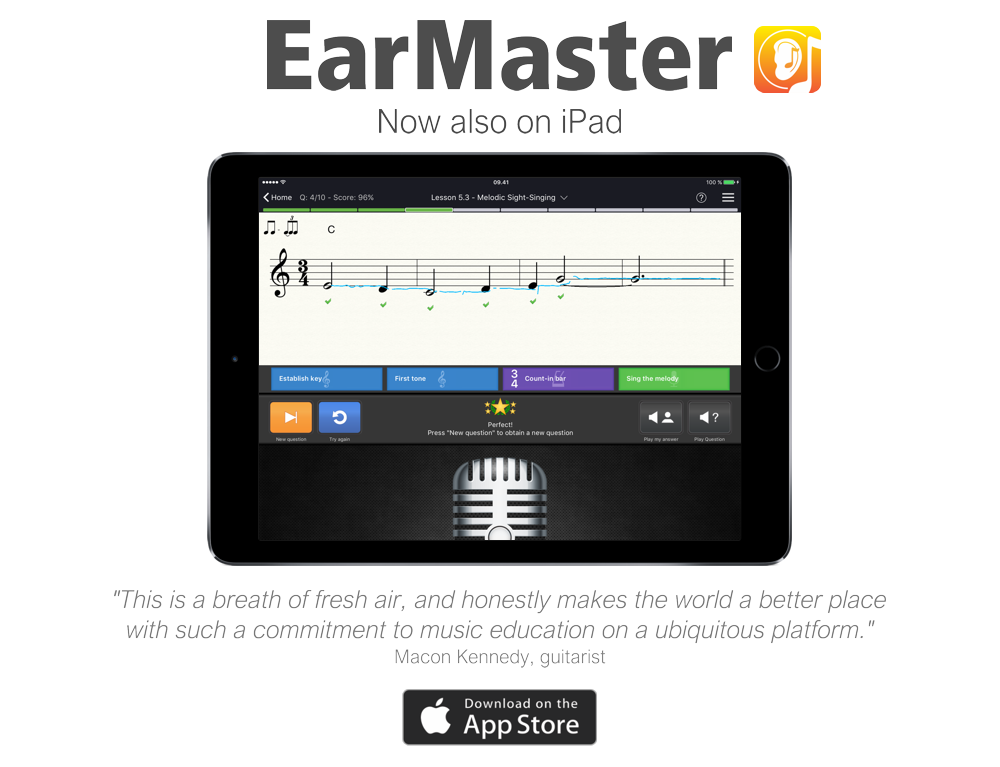
Figure 11 – Compare Interval Size Exercise Selection Window
Figure 12 – Choose which interval is bigger after hearing two examples
Figure 13 – Choosing the correct answer of a Major 2nd, after hearing two different examples
Identify Intervals
EarBeater is very detailed when it comes to hearing the intervals. In Figure 14, you can see the same intervals are drilled in separate lessons with the only difference being harmonic, descending or ascending playback. This is the same for Chords, Chord Inversion and Scales as well.
Figure 14 – Identify intervals selection window
Figure 15 – Choosing the correct answer between Major 2nd and Minor 3rd
Identify Chords
The first dozen or so exercises focus on triads and then expand out to more complex chords from there. In Figure 17, I show an example of what happens when you choose the incorrect answer. Wrong answers are coded in orange and the correct answers in green so you can observe the right answer on the staff and on the keyboard.
Figure 16 – Choose a Chord Drill in the Selection Window
Best Ear Training App For Android
Figure 17 – Choosing an incorrect answer will reveal the correct answer
Identify Chord Inversion
The ability to hear chord inversions was always one of my weak points when I was in harmonic dictation class in college. I am happy to see this is a separate chapter and they emphasis the importance of hearing the different inversions. The mind can play tricks into hearing an inversion as a totally separate chord from the root chord.
Figure 18 – Choose a Chord Inversion Drill in the Selection window
Figure 19 – Choose which Chord Inversion you Hear
Identify Scales
Like goodEar pro, EarBeater drills the various modes, although I like that they start with major and minor pentatonic scales first. The inclusion of scale formulas is a wonderful addition. This would be a good area of study to create custom user presets. I show the user preset selection window in Figure 22.
Figure 20 – Choose Which Scales to Drill
Figure 21 – Choose the correct answer between two different scales
Customized Preset Drills
Figure 22 – Create and Save Custom Ear Training Drills
Best Ear Training App For Mac Windows 10
Another great feature of EarBeater is the ability to create custom user presets. You can choose a number of items in each category that may not be drilled together in the standard exercise list and create your own unique drills with custom combinations. These ‘user exercises’ are saved and stored within the app for continued use.
Final Thoughts
I think EarBeater wins big with its sequential, well thought-out approach to ear training. The extensive list of small tasks in each category will give students confidence in their ability to master and build lasting music theory knowledge. I would assign EarBeater as the home study tool and then continue to use goodEar Pro in lessons to test students on what they learned at home using EarBeater. The addition of training a series of melodic intervals sets goodEar Pro apart from EarBeater in the area of melodic dictation or transcribing. Melodic transcription is an extremely important skill for studio musicians, composers and performing musicians to have in order to communicate melodic ideas between each other quickly and efficiently on the job. There are many ways to use just one of these Apps or mix them up to get excellent ear training results. Both are highly recommended!
goodEar Pro on the App Store ($3.99): https://itunes.apple.com/app/goodear/id564470291?mt=8
EarBeater on the App Store ($7.99): https://itunes.apple.com/app/earbeater/id724557406?mt=8
EarBeater Lite on the App Store: https://itunes.apple.com/app/earbeater-lite/id762493165?mt=8
Related Videos
Your ears are your most important tools for making music. But without working on ear training, you’ll never develop them to their full potential.
Musicians, engineers, producers and DJs can all benefit from ear training. It’s helpful for anyone mixing music, learning music theory or writing songs.
Ear training is hard, unless you take the time to practice the right skills with the right tools.
You may think your ears are already good, but ear training isn’t just listening.
In this article you’ll learn what ear training is, 8 of the best ear training apps and the best ways to practice.
What is ear training?
Ear training is the process of breaking down the elements of music into their simplest form and connecting them with the way we physically hear sound. Traditionally, ear training for musicians includes skills like identifying intervals, chord quality and chord progressions. Ear training for audio engineers typically includes identifying frequency ranges in Hz.
Why is ear training important?
Ear training is important because listening is a skill—Just like playing piano or knowing how to tweak your vocal chain.
For example, melodies are just a series of intervals. With intervals ear training, you can learn how to play a melody by ear.
Recognizing chord progressions by ear is a superpower too. Getting used to hearing common progressions with an ear training tool will change the way you think about writing songs.
Just like playing piano, or knowing how to tweak your vocal chain, listening is a skill.
For engineers, ear training can help you identify EQ ranges fast. Want more “point” in your kick? Or more “air” your vocal? Ear training helps you find the frequencies you need to get what you want.
The 8 best ear training apps for musicians and engineers
1. Tenuto
Tenuto is the app version of the already amazing tools on musictheory.net.
It’s visual guitar fretboard reference is super helpful for guitarists.
2. Teoria
Teoria is a great free resource for ear training. It includes a tutorial and reference section.
The jazz ear training tests are fantastic for learning to identify tricky extended chords.
3. Good-Ear.com
Sometimes it doesn’t have to be pretty to get the job done.
Good-Ears.com is an easy-to-use, free website (that looks like it came straight out of 1999) with great ear training tools.
4. EarMaster
EarMaster has been around for a while (it’s currently on version 7) and it’s a total classic for a reason.
It integrates well into traditional musicianship teaching, making it perfect for music students.
5. Quiztones
Best Ear Training App For Mac Pro
Quiztones has a simple interface with sleek design. It can quiz you on files from your own music library as well as common sources like drums, bass, guitar and vocals.
6. Soundgym
Soundgym offers a ton of ear training resources for engineers. You can quiz yourself on frequencies, EQ filter types, gain differences, sound location/stereo impression and more.
7. earPlugins
earPlugins is a great free VST plugin for frequency training. It lives inside your DAW so you can quiz yourself on frequencies right from your sessions.
8. TrainYourEars
TrainYourEars has a cool feature that lets you learn to make EQ corrections instead of guessing affected frequencies. It can design custom training programs for you too.
Aural Skills
Ear training has huge benefits that you’ll notice right away.
It gives you the confidence to trust your ears over everything else. You need to know how to cut through the noise and shape your own sound.
Ear training gives you the confidence to trust your ears over everything else.
With ear training, every time you listen you learn.
So make the most of your listening habits and try the tools on this list to develop your listening skills—they’re all pretty fun to use.
Soon enough you’ll be addicted to working out your ears and hearing your music in ways you never thought you would.